RCA to XLR Cables: 3 Things to Check Before You Buy
Buying XLR and RCA cables? Check the cable's sound character, pick the right connector type and test how it pairs with your gear before you spend.

Tips for buying RCA to XLR cables: anyone who works in audio, whether in recording, concerts, or live performance, deals with cables all the time. To a layperson, an audio cable is just a cable, the same as an ordinary power cord in size, model, and type.
In reality, there are plenty of cable types on the market, and each is used for different devices or equipment. The audio cables most commonly used are RCA, BNC, TS, TRS, MIDI, USB, ADAT, and FireWire. To avoid choosing the wrong audio cable, check these 3 things before you decide to buy.
3 Things to Check Before Buying XLR Cables

1. Check the Cable's Character
Every cable, it turns out, has its own character. Some cables produce good vocals but poor sound detail. Some produce good bass but are weak in the highs. Others respond to music quickly but are weak in the low notes, and there are many other characteristics besides.
So before you decide to buy a cable, find out as much as you can about its character. Does it match what you expect? You can look for information online, such as on YouTube and social media.
2. Choose the Right Connector Type
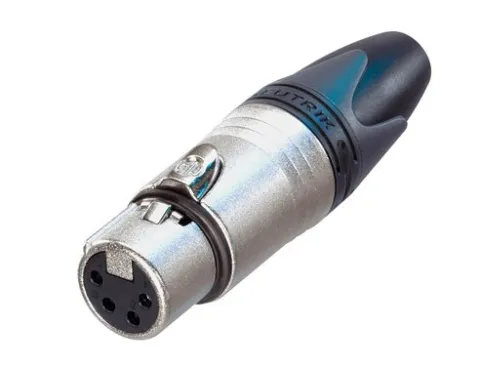
The next thing to check before choosing a cable is the connector type. For studio cables in particular, the connectors most often used are RCA, XLR, 1/4-inch, and MIDI. Those connectors are generally enough for all the devices you will use, such as keyboards, guitars, mics, monitors, mixers, and even direct boxes. A 1/4-inch cable can carry either a balanced or an unbalanced audio signal, while an XLR cable carries a balanced signal.
3. Pay Attention to Cable Harmony
Once you have looked at the cables' characteristics and decided which type to use, the next step is to record the characteristics of your chosen cable in detail. You can make notes on the cable's specifications, for example the input and output levels of the cable.
After that, listen closely to the character of each component you own, using whatever cables you have lying around. Once you have done that, the next step is the same as before: write complete notes. For example, if you start with a speaker, note how the speaker sounds with an XLR cable, and so on. With these notes you will have an analysis of each component's character, which you can then match with the right cable.
Those are the 3 things to check before buying XLR connector cables, RCA cables, and other audio cables. That way you will have a clear picture before you decide to buy the right cable for your needs.