8 Types of Bread Yeast and How They Shape Aroma and Texture
Compare eight types of bread yeast, from active dry, fresh and instant to sourdough and wild yeast, and see how each shapes aroma, flavor and texture.

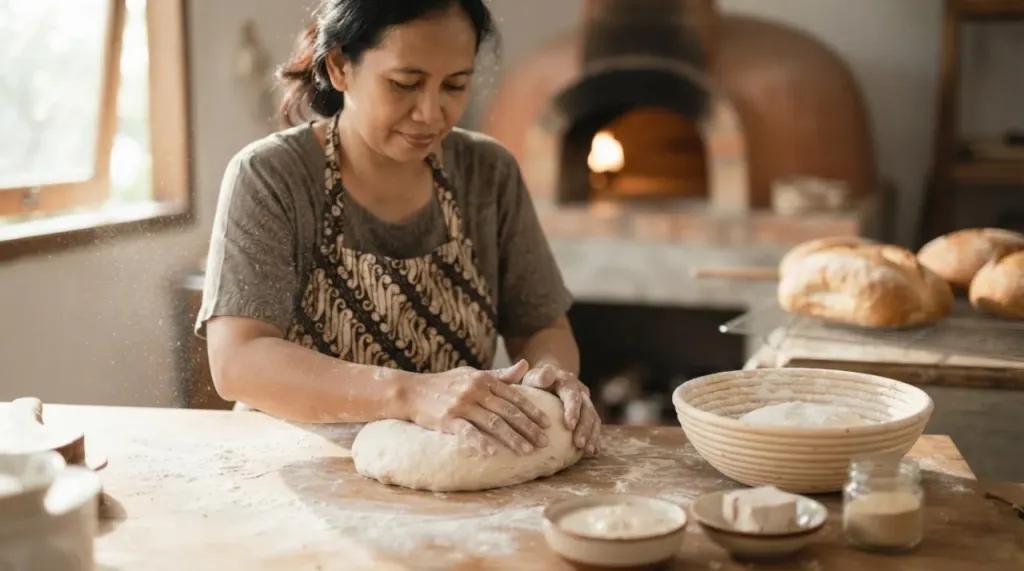
Bread has been a staple food and part of human life for thousands of years. Yeast is the leavening agent that plays a crucial role in making bread, giving it a distinctive aroma and a soft texture. This article looks at the types of bread yeast used in baking around the world and how each one affects the flavor and final quality of the loaf.
Contents
1. Active Dry Yeast
Active dry yeast is the most common type of bread yeast and the easiest to find on the market. It comes as small dry granules and has a longer shelf life than fresh yeast. To activate it, you first need to hydrate it in warm water before adding it to the dough. Active dry yeast works quickly and gives soft, tender bread. It suits a wide range of bread and cake recipes.
2. Fresh Yeast
Fresh yeast, also known as cake yeast or brewer's yeast, is yeast that has not been processed and is still in paste form. It has a high water content, so it activates faster. It has a sharper taste and gives bread a strong, distinctive aroma. However, because its shelf life is shorter, fresh yeast must be kept in the refrigerator and used soon after buying. Some people believe fresh yeast gives better bread than dry yeast.
3. Instant Yeast
Instant yeast, also known as quick yeast, has been processed and dried in a special way so it can be added straight into the dough without being activated first. It has a lower water content than active dry yeast, so its shelf life is longer. This yeast works very fast and speeds up dough fermentation. Instant yeast is very practical and convenient, especially for mass bread production in the bakery industry.
4. Sourdough Yeast
Sourdough yeast, or sour yeast, is a unique type that differs from conventional bread yeast. Fermenting sourdough involves a culture of lactic acid bacteria and wild yeast that develops from a mixture of water and flour. This fermentation gives sourdough bread its distinctive tangy flavor and aroma, known simply as the "sour" in sourdough. Sourdough yeast takes longer to work and gives the bread a deep, characteristic flavor. Some people with gluten intolerance find sourdough easier to digest because of its fermentation process.
5. Honey Yeast
Honey yeast, or malt yeast, is bread yeast combined with sugar or honey. This gives the yeast extra nutrition and boosts its fermentation activity. Honey yeast is usually used for sweet bread and whole wheat bread. The honey aroma adds a mild, sweet touch to the finished loaf.
6. Wild Yeast
Wild yeast, also known as live yeast or natural yeast, is the kind that exists in the environment around us. Fermenting with wild yeast relies on yeast and bacteria that occur naturally in the air and in the ingredients used to make the bread. Bread made with wild yeast has a unique character that depends on the geographic region and the environment where it is made. Sourdough is one example of bread that uses wild yeast.
7. Black Yeast
Black yeast, also known as chocolate bread yeast, is yeast processed with added cocoa powder or other dark grains. It gives bread a darker color and a distinctive aroma. Black yeast is often used for whole wheat bread and rye bread.
8. Beer Yeast
Beer yeast, also known as brewer's yeast, is the yeast used to make beer. It can also be used in bread, especially bread with a stronger flavor and aroma. Beer yeast gives a unique loaf with a subtle hint of beer flavor.
Bread yeast plays an important role in baking, giving bread its texture, aroma and flavor. The different types have different characteristics and suit different bread recipes. Choosing the right yeast can affect the quality and final character of the loaf. As the culinary world keeps evolving, experimenting with different yeasts and combinations offers endless chances to create delicious, unique bread.