6 Common Bread Baking Mistakes and How to Avoid Them
Bread baking mistakes can ruin a loaf. See six common ones, from inaccurate measuring and weak yeast to short fermentation and wrong kneading.

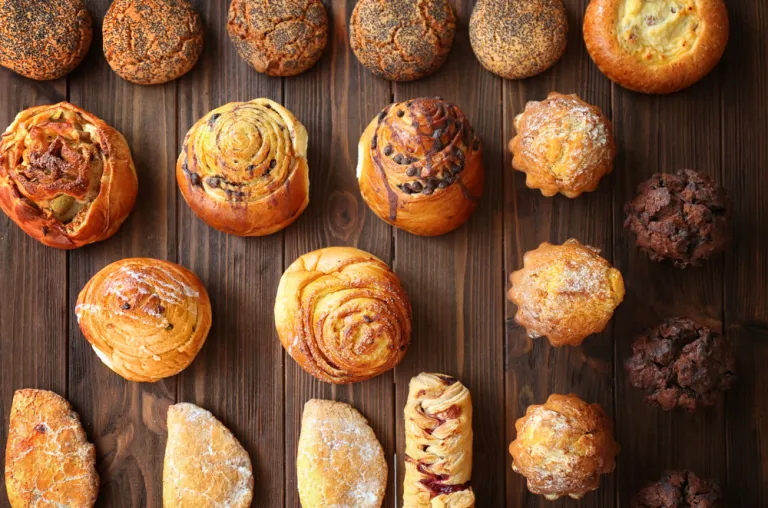
Did you know there are several mistakes we often run into when making bread? What exactly makes a loaf fail? Read the full article below.
Making bread takes care and a good understanding of the process. Some common mistakes happen when making bread, and they can affect how the finished loaf turns out. In this article, we cover several of the mistakes people often make when making bread.
Inaccurate Measuring
Inaccurate measuring is a common mistake in bread making. If the amount of flour, water, yeast or other ingredients does not match the recipe, the bread can come out too dry or too moist. Use the right measuring tools and follow the recipe closely to avoid this mistake.
Poor Yeast Quality
Yeast is one of the key components of bread. If the yeast is expired or poor quality, the bread will not rise well. Use fresh yeast that has been stored properly for the best results.
Unsuitable Environmental Conditions
The environment can also affect the bread-making process. If the room is too cold, the bread takes longer to rise. If the room is too warm, the dough can rise too quickly and end up with an undesirable texture. Keep the room at the right temperature and follow the temperature guidance in the recipe.
Not Shaping and Pressing the Dough Properly
Trimming and shaping the dough are important steps in bread making. If the dough is not trimmed and shaped well before baking, its structure and form will turn out uneven. Also, if the dough is not pressed down firmly before baking, air gets trapped in the dough and leaves holes in the loaf. Trim, shape and press the dough carefully before it goes into the oven.
Not Enough Fermentation Time
Fermentation time is the stage where the dough rests so it can rise properly. A common mistake is not allowing enough time. If the dough is not left to rise properly, the bread comes out hard and dense. Give the dough the fermentation time the recipe calls for.
Overkneading or Underkneading
Kneading is the process of working the dough to develop the gluten that gives bread its structure. Overkneading (kneading too long) or underkneading (kneading too little) can produce an undesirable texture. Follow the recipe's guidance on the right kneading time.
In bread making, these mistakes can lead to bread that does not turn out as hoped. It is important to pay attention to every step and follow the recipe carefully to avoid them. With a good understanding of the common mistakes, you will be able to make delicious, perfect bread every time.