
Glycemic Index of Fast Food: 5 Surprising Facts to Know
What is the glycemic index of fast food? See how fries, burger buns and sweet drinks affect blood sugar, and how to soften the impact of your meal.

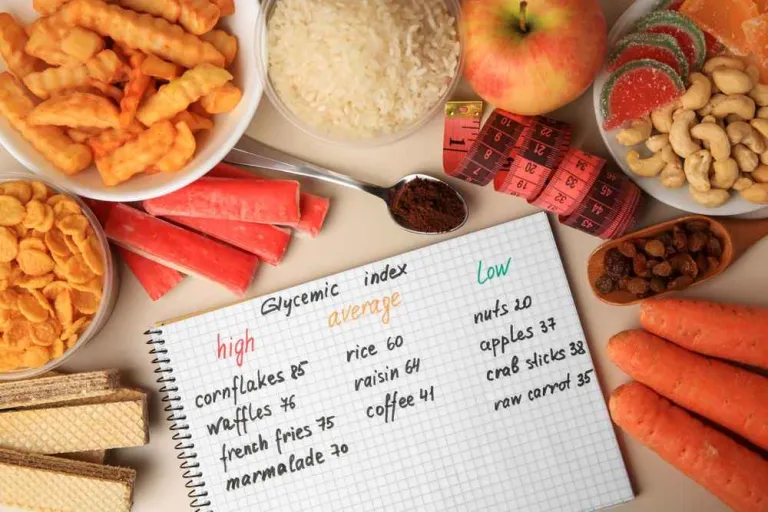
The glycemic index (GI) has become a widely recognized guide for choosing food. It describes how quickly a carbohydrate-containing food raises blood sugar after you eat it. The higher a food's GI value, the faster it raises blood sugar. The lower the value, the slower and steadier the release of glucose.
Many people link fast food with high calories, saturated fat or too much salt. The glycemic index, however, rarely gets any attention. Yet fast food is often built on refined carbohydrates, such as burger buns, french fries, white rice and sweet drinks, that have a fairly high GI. This article takes a closer look at the surprising facts about the GI of fast food and what it means for your health.
Contents
What Is the Glycemic Index?
Glycemic index is a scoring system from 0 to 100. Foods with a high GI (70 and above) cause blood sugar to spike quickly. Foods with a medium GI (56 to 69) have a moderate effect, while foods with a low GI (55 and below) affect blood sugar more slowly and steadily.
This concept matters a great deal for people with diabetes, people on a diet and anyone who wants to keep their energy balanced throughout the day. Low-GI foods usually help curb hunger for longer, keep energy steady and lower the risk of insulin resistance.
Why the Glycemic Index Matters for Fast Food
Fast food is designed to be convenient, quick to serve and strongly flavored. But the way it is prepared and the ingredients it starts with often give it a high GI. For example:
-
Burger buns are usually made from processed white flour, so they have a higher GI than whole wheat bread.
-
French fries fried in hot oil are not only high in fat but also have a higher GI than boiled potatoes.
-
Sweet drinks such as soda or milkshakes are rich in simple sugars, with a GI close to the upper limit.
-
White rice in fast-food meal sets also has a high GI, because the way it is cooked makes the starch easier to digest.
Together, these make fast food capable of triggering a blood sugar spike faster than you might expect, even in fairly small portions.
Surprising Facts About the GI of Fast Food
1. French Fries Can Have a Higher GI Than Table Sugar
Potatoes fried at high temperatures can undergo a change in their starch (gelatinization), which makes them easier to digest. As a result, blood sugar can rise faster than it does after a small amount of table sugar.
2. Burger Buns Are Almost the Same as White Rice
Many people assume bread is healthier than rice. In fact, a burger bun made from white flour has a GI comparable to white rice, and sometimes even higher because it is usually paired with sweet sauces.
3. Fast-Food Drinks Have an Extreme GI
A large soda or milkshake can send blood sugar soaring right away. In fact, the GI of sweet drinks is often in the range of 80 to 100, close to the maximum.
4. Preparation Changes the Glycemic Index
How food is cooked affects its GI. Baked, fried or mashed potatoes have a higher GI than boiled potatoes. The same goes for instant rice, which tends to have a higher GI than regularly cooked rice.
5. Combining Menu Items Can Make the GI Worse
When we eat fast food, we rarely eat one item on its own. A burger with fries, plus a soft drink, pushes the total GI of the whole meal very high. The result is that the blood sugar spike can double.
How a High GI Affects the Body
Eating high-GI foods repeatedly can cause a range of health problems, both short term and long term:
-
Quick Energy Spikes and Crashes
After blood sugar jumps, the body produces a large amount of insulin to bring it down. As a result, a person may feel weak or sleepy a few hours after eating. -
Higher Risk of Type 2 Diabetes
Long-term consumption of high-GI foods can lead to insulin resistance, which is a gateway to type 2 diabetes. -
Weight Gain
A high GI triggers hunger sooner, so calorie intake tends to rise. This contributes to obesity. -
Cardiovascular Problems
Research shows that a high-GI diet is linked to higher levels of bad cholesterol (LDL) and a greater risk of heart disease.
How to Work Around a High GI in Fast Food
Even though fast food is hard to avoid, a few strategies can minimize the impact of a high GI:
-
Choose menu items with added protein and fiber such as salad, grilled chicken or fresh vegetables, which can slow glucose absorption.
-
Cut back on refined carbohydrates such as large fries or the double bun on a burger.
-
Swap sweet drinks for mineral water to reduce the sugar load.
-
Choose brown rice or whole wheat bread if the restaurant offers them.
-
Add a source of healthy fat such as avocado or nuts, because good fats can steady the release of sugar.
The Glycemic Index Is Not the Only Factor
Important as it is, GI is not the only thing that decides whether a food is healthy. Glycemic load (GL), which takes into account the amount of carbohydrate in a given portion, also matters a great deal. Watermelon, for example, has a high GI but a relatively low carbohydrate content, so its glycemic load is small.
This means you still need to look at the whole nutritional picture: the fat, protein, fiber, vitamins and minerals in the food.
Fast food is not only high in calories, fat and salt, but also often has a high glycemic index. This surprising fact means that eating too much of it can raise the risk of diabetes, obesity and even heart disease.
That does not mean fast food has to be avoided entirely. With smart menu choices, portion control and balanced nutrition, the harm from a high GI can be kept to a minimum. In the end, understanding the glycemic index helps us make wiser decisions about what to eat, even when we are enjoying fast food.