5 Easy Steps for Using Cap Gajah Tube Rat Glue at Home
Learn how to use tube rat glue in 5 easy steps: prep a board, spread the glue in a circle, add bait, set it where rats pass and check it often.

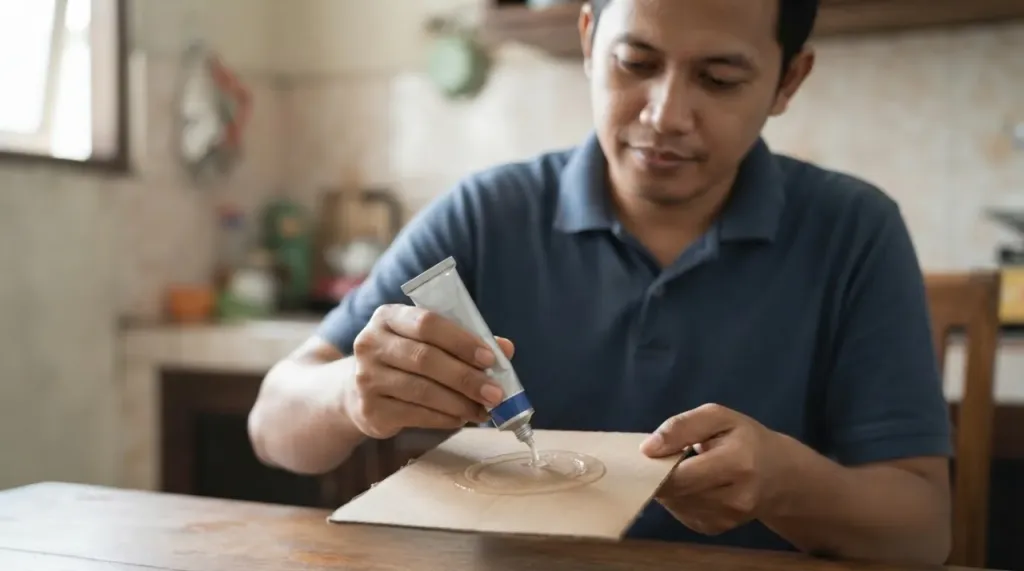
There are many ways to get rid of rats. One is the rat glue made by Cap Gajah, which has very strong adhesion, so a rat that touches it dies right away. If you want to deal with these rodents, it helps to know a few tips for setting the trap. Here is how.

How to Set Up Tube Rat Glue
- Gather the Materials First
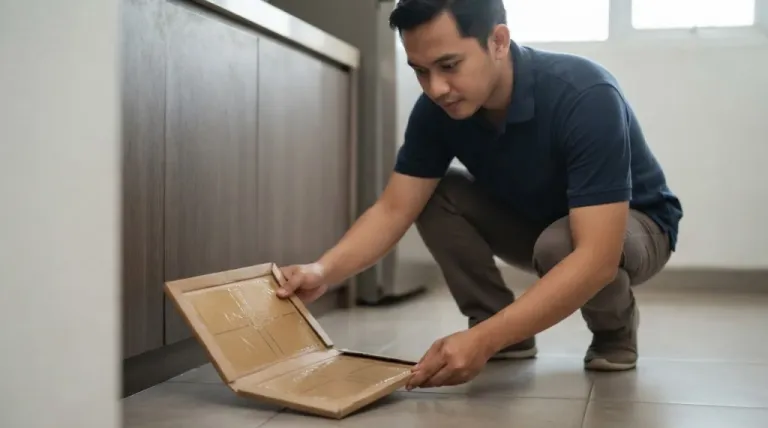
First, buy the tube-type glue made by Cap Gajah. It is easy to find on online marketplaces or in stores near your home. Then prepare a board or a piece of cardboard to hold the glue, which will make it easier to catch rats.
- Open the Glue and Spread It on the Cardboard
Once you have everything you need, you can start. Open the rat glue first. Then squeeze the tube and spread the glue evenly across the board or cardboard you prepared. Try spreading it in a circle, which makes catching rats easier.
- Place the Bait
Next, put bait in the center of the glue circle. Use food that rats like or something with a strong smell, such as chicken and fish. The rat will be fooled and head straight for the food. Don't worry about the rat running off: this glue is clear, so the rat is tricked.
- Put It Where Rats Often Pass
With the bait in place, it is time to set the trap where rats often travel. You can put it in the attic or in places with holes in your home. These spots are often used as headquarters where the rodents breed. The advantage of Cap Gajah rat glue is that it has no smell, so rats will not get suspicious.
- Check It Regularly
Check the trap regularly. When a rat is caught, you can dispose of it right away. If nothing is caught, try changing the bait or the location. That way the rats in your home get caught faster.
You can follow these steps whenever you buy Cap Gajah's tube-type glue. It is known for its super-strong adhesion, so it works well against rats, which cannot move once they are stuck. It contains no poison, which makes it quite safe to use at home.