3 Types of Rats That Get Into Homes and How to Tell Them Apart
Learn the types of household rats: how house mice, roof rats and sewer rats differ in size and looks, what each eats, and how to choose the right bait.

You have probably been bothered by rats in your house more than once. You may even have tried various ways to catch rats at home so the rodents don't keep breeding in your living space. But did you know that the rats that get into homes come in different types? Read on for the explanation.

Types of Rats
Not every rat that gets into your house is the same kind. There are house mice, roof rats and even sewer rats. They all belong to the rodent family, so they share a lot in looks and behavior. Still, there are differences among the three that are worth knowing.
All rodents share one general trait: a pair of incisors in the upper jaw. They also tend to have short legs and long tails, but look closer and you can spot the differences between roof rats, house mice and sewer rats. The house mouse even has several subspecies, though they are almost impossible to tell apart.
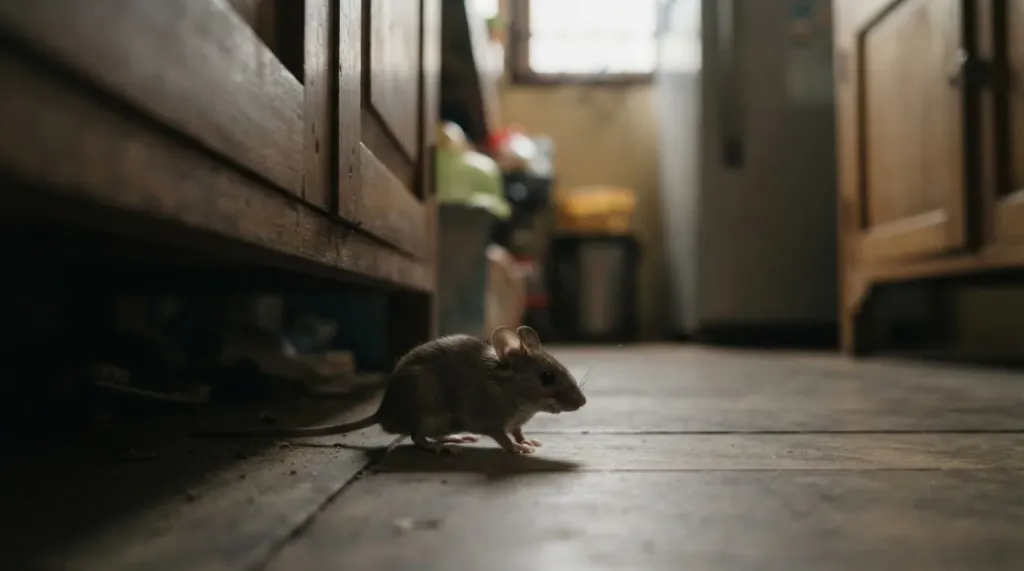
Catching rats at home gets easier when you know the characteristics of each type. The easiest way to identify a house mouse is its size: its body is usually only 3 to 10 cm (about 1 to 4 inches) long. Because of that small body, house mice often nest in tight spots, such as behind a cabinet or a refrigerator.
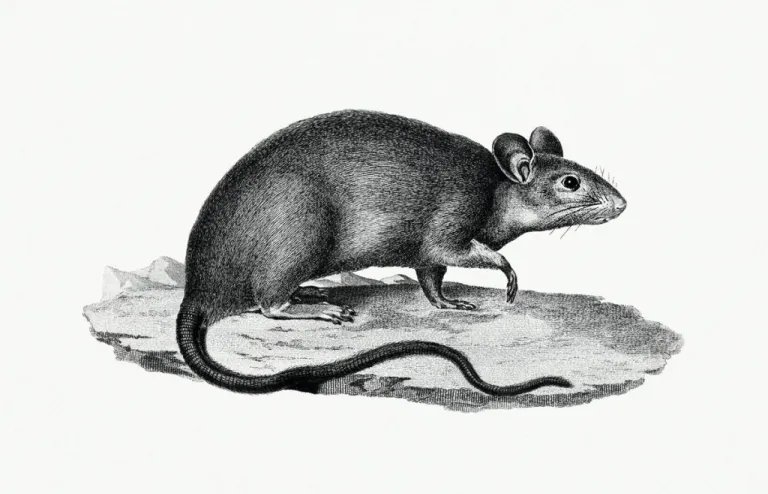
Roof rats, on the other hand, are much bigger. Even a young roof rat has bigger feet and a bigger head than a house mouse. A roof rat's body is also slimmer, with thin ears and a pointed nose. The sewer rat is different from the pointed-nose roof rat. Sewer rats have a blunt nose, furry ears and a much thicker body.
Eating Habits of Each Type
You also need to know the eating habits of all three types, so you can choose the most suitable bait when catching rats at home. House mice usually prefer flour-based foods such as bread, flour and grain. They also like to look for food in the same places, so they are easy to find.
Roof rats prefer foods such as cereal, fruit and vegetables. They too tend to look for food in the same places, so they take bait easily. Sewer rats are different. They like to move around, which makes them harder to control. Sewer rats like foods such as meat.
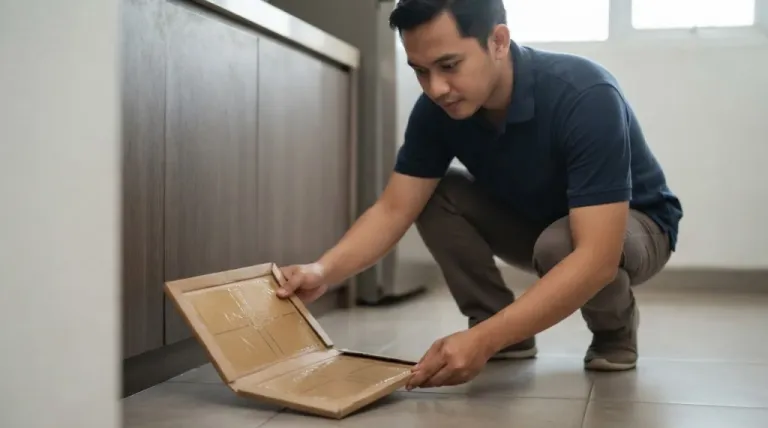
Once you know the characteristics and eating habits of each type, you can decide on the bait and where to place the traps. Don't forget to use Cap Gajah rat traps, because products under this label offer high quality that catches and traps rats well.