
Core Technologies in SIMRS Hospital Information Systems
SIMRS technology covers electronic records, online registration, billing, inventory and telemedicine. See the rules, benefits and challenges in Indonesia.

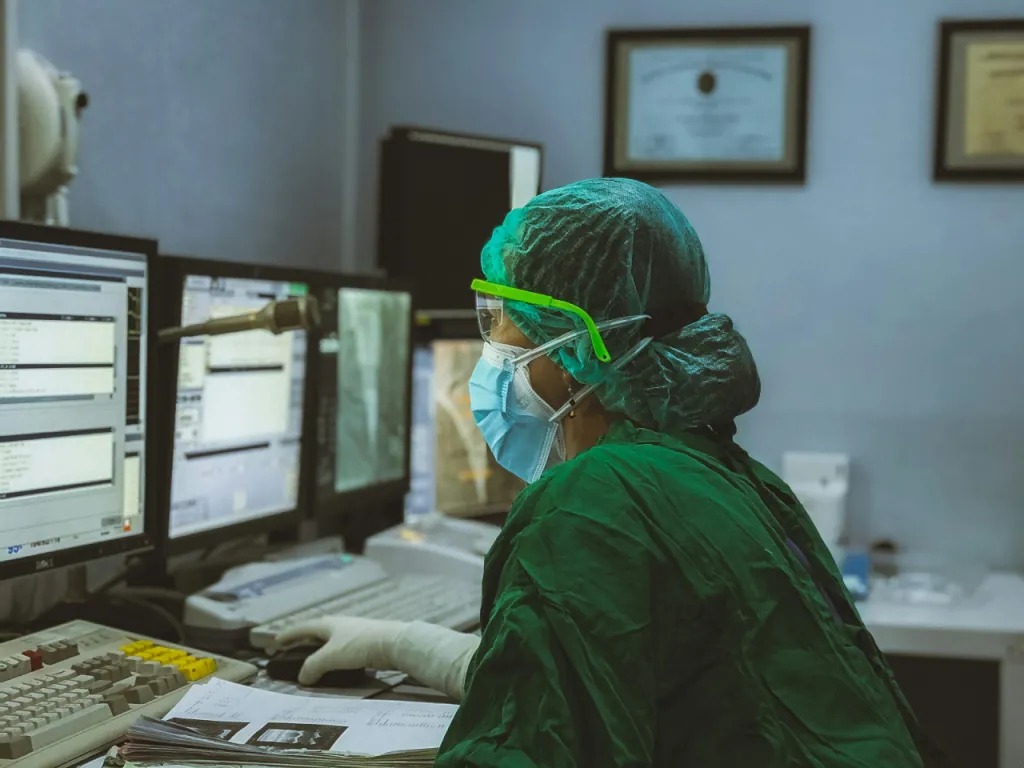
In the digital era, technology is the key to better efficiency and service quality across many sectors, including healthcare. One of the most visible examples in hospitals is the Hospital Management Information System (SIMRS, from the Indonesian Sistem Informasi Manajemen Rumah Sakit). SIMRS is a digital solution that helps hospitals manage many parts of their operations, from patient registration to medical records. With SIMRS, hospitals can work more efficiently and accurately and improve the quality of care for patients. SIMRS not only improves administrative efficiency but also draws on advanced technology to deliver better healthcare.
Technologies Used in SIMRS
- Electronic Medical Records (EMR)
One of the core components of SIMRS is the Electronic Medical Record (EMR). An EMR is the digital version of the traditional medical record, which used to be kept on paper. Through SIMRS, all patient data, including medical history, lab results, prescriptions and doctors' diagnoses, can be easily accessed by medical staff. This technology gives real-time access to a patient's medical information, reduces the risk of lost data and improves the accuracy of patient care. According to data from the Ministry of Health, EMR use in Indonesia rose by up to 60% after SIMRS was implemented in various hospitals. - Online Registration System
Another technology commonly used in SIMRS is an online registration system. It lets patients register and book doctor consultations online without going to the hospital. That is convenient for patients and also helps hospitals manage queues better and cut waiting times. The system is especially useful during a pandemic, when face-to-face contact is restricted to reduce the risk of transmission. - Electronic Finance and Billing System
SIMRS also includes a finance system that automates invoicing and payment. This technology lets hospitals process patient payments faster and more accurately. Electronic billing is also integrated with patients' medical data, so patients can see a transparent breakdown of their care costs. According to research by the WHO in 2020, hospitals that adopted electronic billing reported administrative efficiency gains of up to 45%. - Drug and Medical Supply Inventory Management
With SIMRS, hospitals can manage their inventory of drugs and medical equipment automatically. This technology lets hospital staff track the availability of medicines and medical devices in real time. When stock runs low, the system sends a notification so hospital managers can reorder right away. It reduces the risk of drug shortages and makes sure patient care is not interrupted. - Telemedicine
One of the newest innovations in SIMRS is telemedicine. With telemedicine, patients can consult a doctor online by video call or chat without going to the hospital. Telemedicine is especially useful for patients who live in remote areas or have limited mobility. It also helps reduce hospital workload and gives patients a more flexible alternative for care.
SIMRS Rules and Regulations in Indonesia
SIMRS adoption in Indonesia rests on government regulation. One of the latest regulations supporting the digitization of healthcare is Health Law No. 17 of 2023. The law states that every hospital in Indonesia must implement SIMRS as part of efforts to improve the quality of healthcare. The government also issued Minister of Health Regulation (Permenkes) No. 82 of 2013, which sets technical standards and requirements for SIMRS implementation, including data security and integration between hospital systems.
The system must also meet standards set by the Ministry of Health, which cover patient data integration, information security and accessibility for doctors and other medical staff. The Ministry of Health continues to push digitization in the healthcare sector by offering incentives to hospitals that implement SIMRS across the board.
Benefits of SIMRS for Hospitals and Patients
Applying technology through SIMRS benefits both hospitals and patients. Here are the main benefits:
- Operational Efficiency
With the technology integrated in SIMRS, hospitals can reduce administrative burden, speed up registration and improve accuracy in managing medical and financial records. This technology helps hospitals work more efficiently and cut human error in operational processes. - Patient Satisfaction
Patients feel the benefits of SIMRS technology directly, from online registration and easy access to medical records to transparent care costs. According to a 2022 survey by the Ministry of Health, hospitals that implemented SIMRS reported patient satisfaction increases of up to 80%. That shows SIMRS technology plays an important role in improving the quality of healthcare. - Data Security
In SIMRS, patient data is stored digitally with strict encryption. This keeps patients' medical information safe from unauthorized access. Government regulations also require hospitals to meet high data security standards, so patients can feel assured their information is protected.
Challenges in Implementing SIMRS
Although SIMRS brings many benefits, implementation in Indonesia still faces several challenges. One of the biggest is the readiness of technology infrastructure, especially in remote areas with limited internet access. Training medical staff to use SIMRS is another hurdle. Many hospitals still need time to adapt fully to the technology.
With strong regulatory support and government incentives, though, these challenges are expected to ease over time. SIMRS is expected to be in place in all hospitals in Indonesia by 2025, in line with the healthcare digitization roadmap drawn up by the Ministry of Health.
Conclusion
Applying technology through SIMRS is a big step toward better quality and efficiency in healthcare in Indonesia. With integrated technologies, from electronic medical records to telemedicine, SIMRS helps hospitals deliver faster, more accurate and more comfortable service for patients. SIMRS adoption is also backed by government regulation that requires digitization in the health sector.
If you need further help with implementing SIMRS, do not hesitate to contact AIDO. We are ready to help your hospital with the best technology solutions to improve its healthcare services.