Baking Soda vs Baking Powder: Key Differences for Baking
Baking soda vs baking powder: learn how each leavener works, what single-acting and double-acting powders do, and which one your recipe needs.


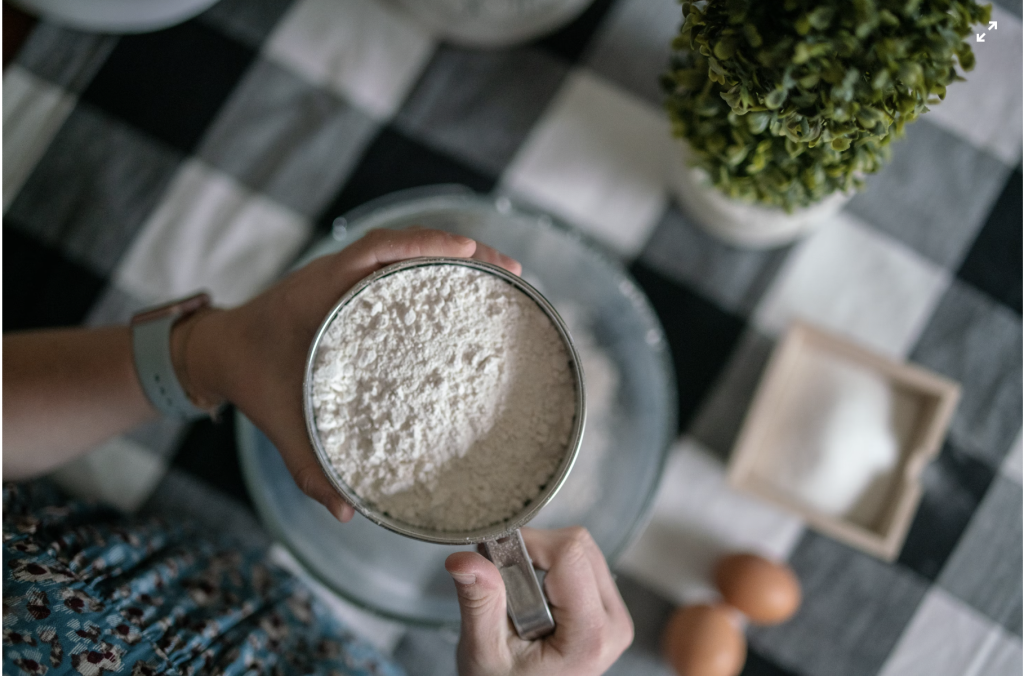
In the kitchen, baking soda and baking powder are often used as leavening agents to make cakes tender and fluffy. Both come up all the time, but they differ in important ways when it comes to using them. Here are the basic differences between the two ingredients.
Baking Soda
Baking soda, known in Indonesia as soda kue, is an alkaline chemical compound. It leavens baked goods by producing carbon dioxide gas when it reacts with an acidic ingredient such as yogurt, vinegar or lemon juice. This carbon dioxide is what makes the batter rise and turn tender.
Baking soda is very strong, so it takes only a little acid to activate it. It must be used carefully, though: if you use too much, or too little acid to balance it, baking soda can leave an unpleasant metallic taste in the cake.
Baking Powder
Baking powder is a mixture of baking soda and another acidic ingredient, such as cream of tartar. It usually comes in two types: single-acting and double-acting.
- Single-Acting Baking Powder: Single-acting baking powder releases carbon dioxide only once, when it is exposed to liquid or heat. A batter made with single-acting baking powder therefore has to go into the oven right after mixing.
- Double-Acting Baking Powder: Double-acting baking powder releases carbon dioxide twice, first when it meets liquid and again when it meets heat. This makes the batter more stable, so it can rest longer before going into the oven.
Baking powder is often considered more convenient than baking soda because it already contains the acid needed to activate it. Keep in mind, however, that baking powder has an expiration date, and using it past its best can reduce its effectiveness.
Conclusion
Although baking soda and baking powder are both used to leaven cakes, they differ fundamentally in how they are used and what they are made of. Baking soda works by reacting with an acidic ingredient to produce carbon dioxide, while baking powder is a mixture of baking soda and another acid that can produce carbon dioxide on its own, either once or twice depending on the type.
When choosing between the two, pay attention to the recipe you are using and to the characteristics you want in the finished cake. Once you understand these differences, you can make the best use of baking soda and baking powder to bake the perfect cake.