Common Active Speaker Problems and What Causes Them
Active speaker problems are common at events. Learn four typical faults, from one-sided sound to loud humming, and what to check first on each one.

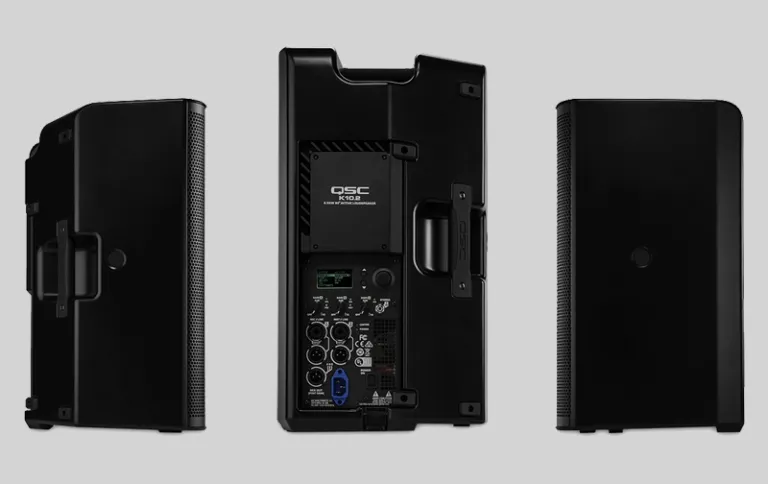
Speakers are among the audio devices you can count on at events, indoors or outdoors. Unfortunately, a speaker can fail suddenly while the music is playing. This happens to anyone, so it helps to know early on the common types of faults in the best active speakers.

Spotting Faults in Active Audio Equipment Early
- Sound comes out quietly on one side only
Enjoying your favorite song when suddenly only one side of the speaker plays at low volume? Don't decide too quickly that the speaker is broken. First, check the audio input path. Most often, the RCA jack cable is damaged on one side or has a broken wire. If you find no damage, check the RCA socket on the speaker's input.
If the RCA socket looks fine and nothing is loose, the next step is to replace the 50k to 100k VR (variable resistor). What if you have done all of that and still have not found the source of the fault? In that case, check the tone control and the power module. If the power section works normally when touched, compare the hum on the right and left sides.
- The speaker suddenly dies completely and the LED indicator goes out too
When an active speaker suddenly goes completely dead and even the LED indicator does not light up, most likely no electrical current is getting in at all. To start, test with a 220V power input and make sure the cable and plug are not broken. Then check the fuse, see whether the on and off switch works properly, and check the transformer and the transformer output going to the power supply.
- The sound is not clear
Does your favorite speaker sound unclear and unpleasant to listen to? One possible cause is an audio signal that sometimes connects and sometimes does not. In that case, check all the potentiometers in the volume control and the bass and treble controls. This helps you find the source of the fault so it can be repaired if needed.
- Loud humming
A loudly humming speaker is one of the most common problems. This fault is usually marked by burnt components or a burnt smell. For active speakers that use a power IC module, replace the module if it shows burn marks or other damage. Also check the power supply, because hum can come from a short circuit or from a dried-out electrolytic capacitor ("elco") in the power supply.
Ever been annoyed when your favorite speaker suddenly failed in the middle of an event? Maybe the sound lacked bass, or it was not clear, or the speaker went completely dead, among many other faults. Once you notice a problem, repair it as soon as possible so the speaker works again.